



Fiber optic technology powers much of our modern digital communication, from high-speed internet to global data transfers. As we invest more heavily in this infrastructure, a critical question arises: how long can we expect these networks to last? The lifespan of fiber optic cables and their components is important to note for planning future technological needs and investments. We’re exploring the factors that influence fiber network longevity and what it means for the future of connectivity.
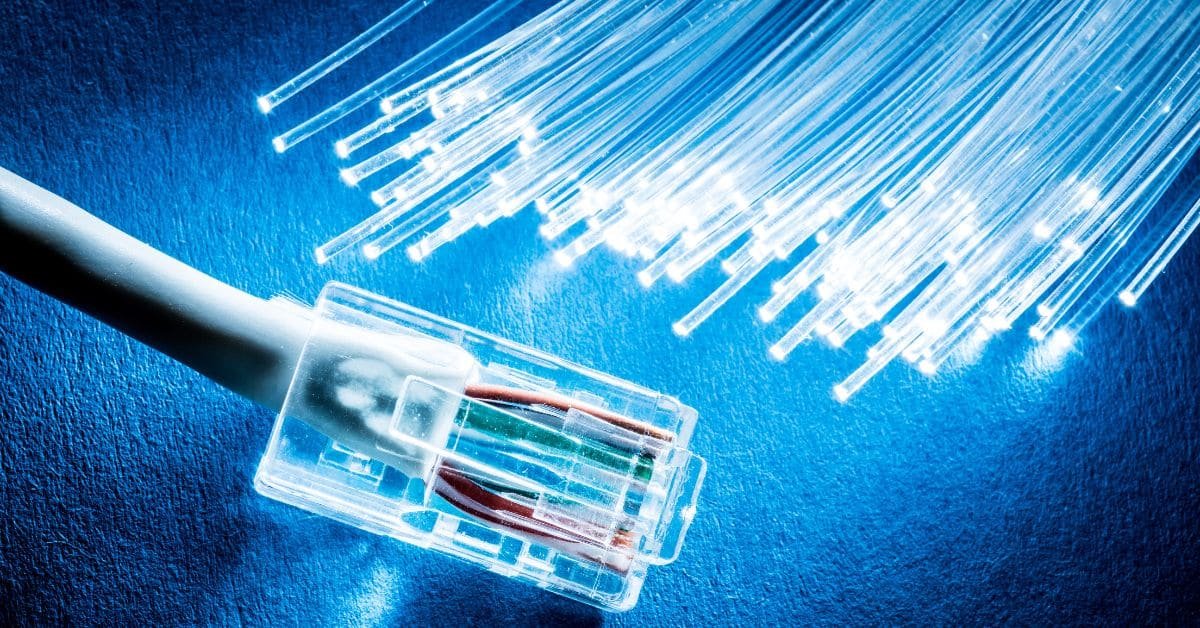
The core of a fiber optic network consists of glass strands that transmit data as pulses of light. These glass fibers themselves are incredibly durable and can theoretically last for decades, even up to a century, under ideal conditions. Unlike traditional copper cables, they are immune to electromagnetic interference and do not corrode. Here’s a brief look at what to know about fiber network life.
What Factors Affect Fiber Network Life?
While the core glass fibers are resilient, several external factors determine the practical lifespan of a fiber network. The environment of the cable installation plays a considerable role. For instance, cables buried underground are generally better protected than those strung on aerial poles, which face constant exposure to weather, UV radiation, and physical stress from wind or ice.
The quality of the installation also heavily influences durability. Proper handling during installation prevents micro-cracks or bends in the fiber that could degrade the signal over time. Furthermore, the protective outer jacketing of the cable is crucial. This layer shields the delicate glass fibers from moisture, temperature fluctuations, and physical damage. Over time, this jacketing can break down, exposing the inner components to elements that accelerate wear.
Key Components and Their Lifespans
A fiber network includes various components that each have their own life expectancies. Splice closures matter for fiber network life because they protect the points where cables connect. A high-quality, properly sealed closure prevents moisture from reaching the fused fibers, which is critical for maintaining the connection’s integrity for many years.
Other active components in the network, such as transmitters, receivers, and amplifiers, have much shorter lifespans, typically ranging from 10 to 20 years. These electronic devices are subject to technological obsolescence and will likely need to be upgraded long before the fiber itself degrades. These upgrades often bring performance improvements, allowing the same fiber infrastructure to support faster speeds and more advanced technologies.
The longevity of a fiber network depends on a combination of factors, including:
- The quality of the fiber optic cable and its protective layers.
- The installation environment (underground vs. aerial).
- The durability of passive components like splice closures.
- The lifecycle of active electronic equipment.
Planning for the Future
The remarkable durability of fiber optic cables means that today’s installations can serve as the backbone for communication networks for generations. While electronic components will require periodic replacement and upgrades, the core fiber infrastructure offers a stable and long-lasting foundation.
As such, this allows network operators to focus on evolving the technology at the network’s endpoints rather than undertaking costly and disruptive re-cabling projects. By prioritizing high-quality materials and professional installation practices, we can build strong fiber networks prepared to meet the demands of tomorrow with a long, reliable lifespan.
Explore more articles:
Why Phone Settings Matter More Than You Think
Why You Need an Automatic Transfer Switch for Your Business
How to Upgrade Tech without Harming the Environment

At CIO TechWorld, I architect global revenue strategy, cultivate enterprise alliances, and engage directly with CXO leaders shaping the future of technology.
Operating at the convergence of editorial intelligence, commercial strategy, and executive influence, I specialize in transforming complex business objectives into authoritative market presence.