




Rapid growth defines the startup ecosystem, but that same velocity often fractures early-stage technology stacks. Founders frequently prioritize immediate product-market fit over long-term stability, creating a technical environment prone to failure during critical scaling periods. Solving the biggest IT challenges startups face requires a strategic shift from reactive patching to proactive architectural planning.
Scaling Infrastructure Without Service Interruption
Sudden spikes in user activity often overwhelm static server configurations. Rigid systems crash when traffic surges. To solve this, engineering teams must implement modular design principles early. Modular infrastructure allows companies to expand capabilities incrementally. This approach prevents the financial burden of over-investing in unused capacity while ensuring systems can handle sudden load increases. Standardizing networking protocols and power distribution systems simplifies this procurement process as teams expand.
Establishing Strong Network Security
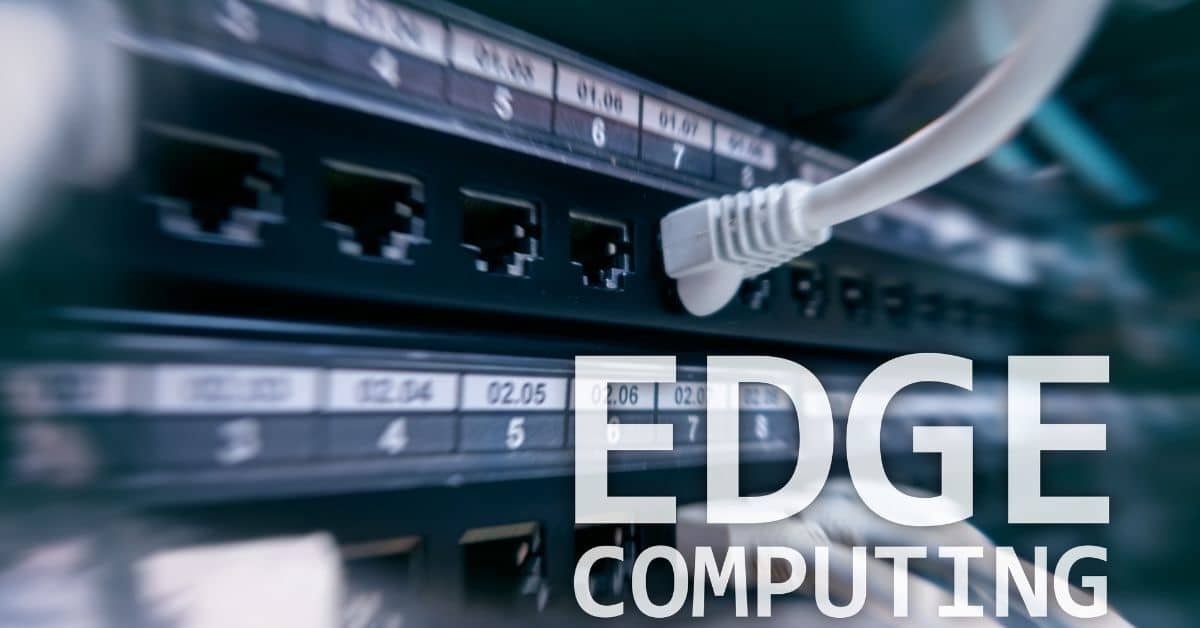
Startups often operate under the false assumption that hackers only target large enterprises. In reality, bad actors frequently target smaller entities because they lack sophisticated defenses. IT leaders should implement network segmentation to mitigate this risk. Creating dedicated zones separates critical systems from general-purpose computing resources. This isolation prevents a breach in a development environment from compromising production data. Physical separation through dedicated networking equipment guarantees consistent performance and simplifies compliance audits.
Optimizing Physical Space Constraints
Early-stage companies rarely possess ample square footage for server rooms. Yet, on-premise hardware is necessary for many hybrid cloud strategies. Startups must utilize vertical space to transform cramped quarters into productive tech environments. One design tip that helps startups with IT infrastructure is to maximize vertical space with rack-mounted solutions. This consolidates equipment while maintaining accessibility. Wall-mounted and floor-standing server racks provide several benefits:
- Space efficiency: Standardized mounting accommodates multiple devices in minimal square footage.
- Cable management: Integrated systems improve airflow and reduce clutter.
- Physical security: Lockable enclosures protect hardware from unauthorized access.
- Scalability: Additional units accommodate growth without facility modifications.
Managing Accumulating Technical Debt
Speed often necessitates shortcuts. Developers might hard-code configurations or skip documentation to meet a release deadline. Over time, this “technical debt” makes future changes difficult and risky. Solving this requires a cultural commitment to code quality. Teams should allocate sprint cycles to refactoring code and updating documentation.
Acknowledging these obstacles early allows founders to build a foundation that supports sustainable growth. Solving the biggest IT challenges that startups face boils down to foresight: building for the company you intend to become, not just the company you are today.
Explore more articles:
Fiber Network Life: What to Know About Fiber Lifespans
Why Phone Settings Matter More Than You Think

At CIO TechWorld, I architect global revenue strategy, cultivate enterprise alliances, and engage directly with CXO leaders shaping the future of technology.
Operating at the convergence of editorial intelligence, commercial strategy, and executive influence, I specialize in transforming complex business objectives into authoritative market presence.