

Many people still associate drones with aerial photography, since early models focused on capturing overhead images and video. While these visuals helped introduce drones to the public, modern technology has expanded far beyond simple image capture. Today, drones are used across multiple industries to solve practical problems, improve efficiency, and gather critical data. Explore the different sectors using drones and understand why drone tech is moving past aerial photos.
Construction Rely on Drones for Monitoring
In construction, drones help teams track progress and create accurate site maps. Project managers can compare current conditions with plans and identify delays or issues early. This reduces the need for frequent on-site walkthroughs and improves communication between teams.
Infrastructure industries, such as energy and utilities, also depend on drones. They inspect power lines and towers without requiring workers to climb or enter hazardous areas. This improves safety while allowing for faster and more frequent inspections.
Agriculture Uses Drones for Crop Management
Agriculture is one of the most active industries adopting drone technology. Farmers use drones to monitor crop health and detect issues such as pests and diseases early. Instead of walking large fields, operators can survey entire areas quickly and identify problem spots. In addition, drone-collected data can help farmers make informed decisions about irrigation and pest control strategies.
Using agricultural drones for row-crop farming also reflects how specialized these tools have become. This leads to more efficient use of resources and higher yields without relying solely on manual inspection.
Emergency Services Use Drones for Rapid Response
Emergency response teams use drones to assess situations quickly and safely. After natural disasters, drones can survey damage and identify areas that need immediate attention. This helps responders plan their actions more effectively.
Fire departments also use drones to monitor active fires and track heat patterns. Law enforcement agencies also use them for search-and-rescue operations, especially in areas that are difficult to access on foot. In these cases, drones provide critical information when time matters most.
Logistics and Delivery: Explore New Possibilities
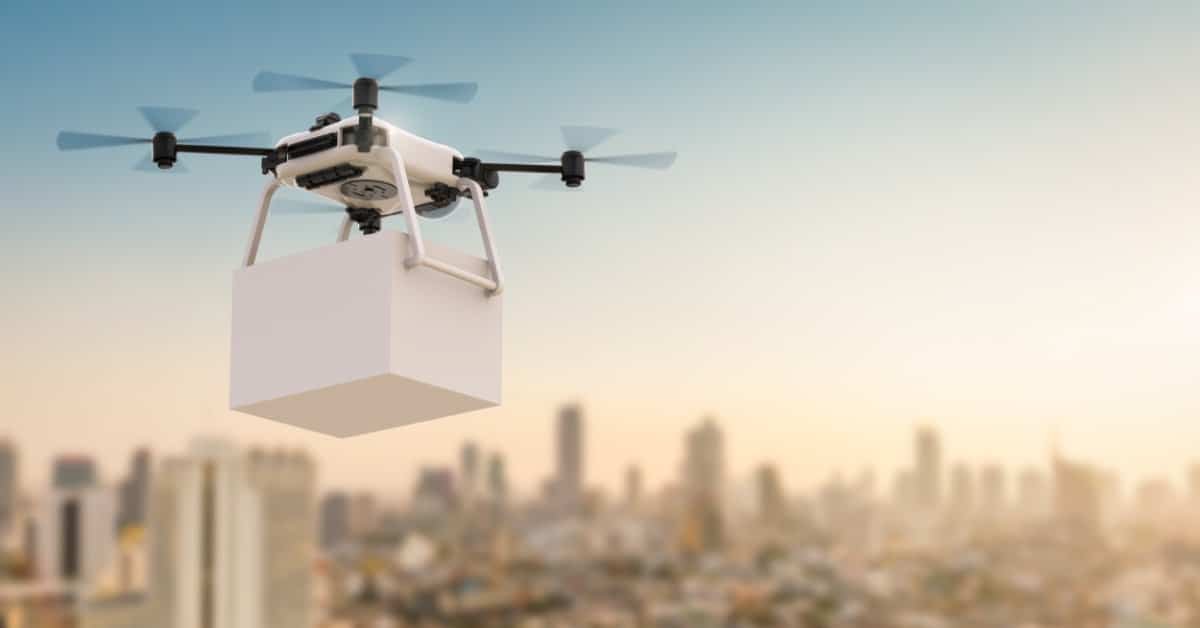
Some companies are testing drones for delivery services, especially in areas where traditional transportation is slow or difficult. Drones can now carry small packages over short distances, reducing delivery times and bypassing traffic.
While this use is still developing, it shows how drones could change logistics in the future. With the development of drones with greater payload capacity, the industry is now relying on this tech for efficiency and accessibility rather than for visual output.
Safety Remains a Key Advantage
Many industries adopt drones because they reduce risk. Inspecting tall structures, surveying unstable terrain, or entering disaster zones can be dangerous for workers. Drones allow teams to gather information without putting people in harm’s way.
This safety benefit applies across sectors, from construction to emergency response. It ensures drones remain valuable tools even as their uses continue to expand. Drone tech moving beyond aerial photography is not just a trend; it reflects how drones have evolved into essential tools across multiple industries.
Explore similar articles:
Is the Manufacturing Industry Hitting an Efficiency Ceiling?
Technology Risks Hidden Inside Office Printing
How Better Equipment Speeds up Fiber Broadband Deployment

At CIO TechWorld, I architect global revenue strategy, cultivate enterprise alliances, and engage directly with CXO leaders shaping the future of technology.
Operating at the convergence of editorial intelligence, commercial strategy, and executive influence, I specialize in transforming complex business objectives into authoritative market presence.