


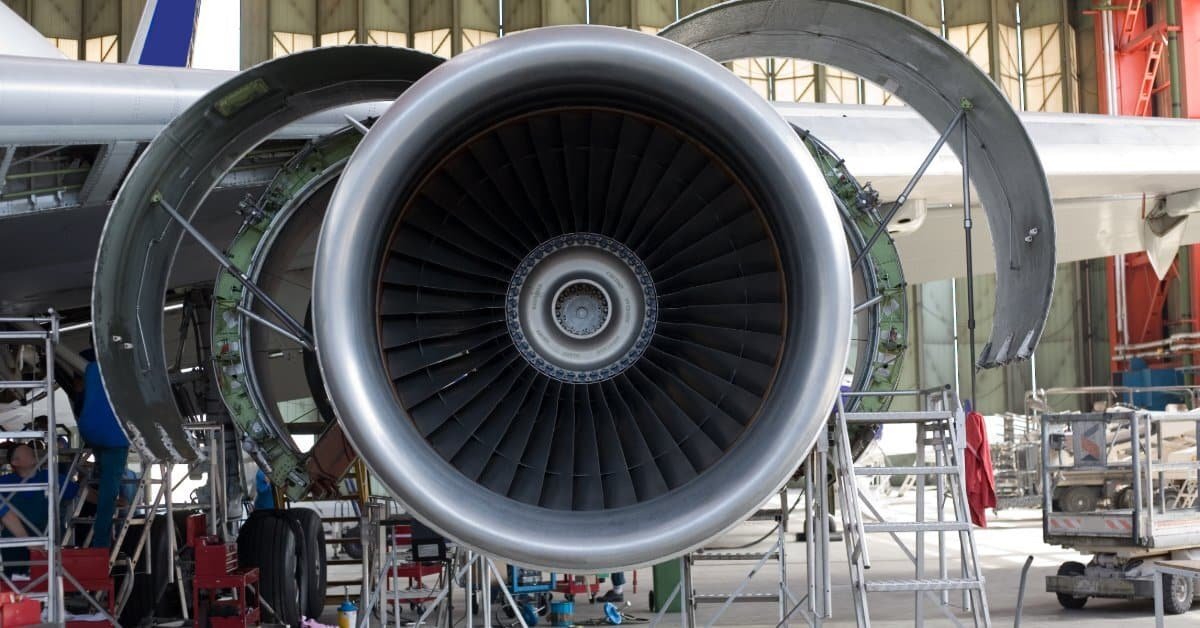
Aircraft innovation attracts attention through visible advances in propulsion, avionics, and increasingly connected flight systems. Beneath those developments, engineers face a less visible challenge: finding materials capable of supporting technologies under demanding operating conditions.
These engineering demands make the materials behind next-generation aircraft’s systems fundamental to how effectively designers control heat, protect electrical equipment, and maintain precision throughout an aircraft. As aviation technology advances, material selection becomes inseparable from system design. Even sophisticated digital technology ultimately depends on physical components that can perform reliably in the environments engineers expect them to encounter.
Advanced Aircraft Change the Material Equation
Modern aircraft integrate mechanical systems with an expanding network of electrical and digital technology. Sensors collect operational data that processors interpret, while control systems use it to manage aircraft functions. Every additional capability places physical demands on the hardware supporting it.
Those demands vary considerably across an aircraft. A component operating near a major heat source faces conditions unlike those surrounding sensitive electronics. Moving assemblies introduce wear concerns, while electrical systems may require materials that prevent unwanted conductivity. Engineers consequently cannot judge a material by strength or weight alone. They must match its behavior to the conditions surrounding a specific component.
This application-focused approach becomes more important as aircraft systems grow interconnected. Material limitations in one minor component can affect the performance of the larger assembly around it.
Thermal Engineering Reaches Across the Aircraft
Aircraft engineers have always managed extreme temperatures around propulsion systems, but modern designs create thermal concerns elsewhere. Power electronics and other electrical equipment generate heat during operation, while changes in altitude expose exterior and interior systems to shifting temperatures.
Engineers can address these conditions through both system architecture and material selection. A component near intense heat may need to retain its dimensions as temperatures rise. Elsewhere, engineers may need an insulating material that limits heat transfer into neighboring equipment.
Growing interest in aircraft electrification makes this distinction increasingly relevant. Moving more functions toward electrical power can redistribute heat throughout an aircraft, forcing designers to reconsider cooling strategies and equipment placement. Thermal management therefore becomes more than an engine problem; it becomes a consideration that influences the wider aircraft architecture.
Technical Ceramics Fill Specialized Engineering Roles
Some aviation applications require combinations of properties that common structural materials cannot readily provide. Technical ceramics can fill certain specialized roles because particular ceramic materials tolerate high temperatures while providing electrical insulation or resisting wear.
Engineers may use ceramic components in applications such as electrical insulators, bushings, sensor components, or guides exposed to repeated friction. The broader range of industries using ceramic components shows how manufacturers apply technical ceramics when conventional material properties conflict with demanding equipment conditions.
Within aviation, their usefulness remains application-specific. Engineers select ceramics by evaluating whether a ceramic’s particular behavior suits the component’s function and surrounding assembly. This distinction reflects a broader direction in aircraft engineering. Increasingly sophisticated systems encourage designers to match specialized materials with equally specialized tasks instead of expecting one material class to solve every engineering problem.
Electrification Makes Insulation More Important
Aircraft electrification changes more than the source of power behind individual systems. Expanding electrical architectures can increase the importance of insulation as engineers route power through equipment that must operate safely within compact spaces.
Conductive materials remain necessary for carrying electricity, but engineers must control where that current can travel. Insulating components can separate conductive elements and protect surrounding equipment, particularly where voltage levels or environmental conditions make electrical isolation more demanding.
Mechanical performance still matters within these systems. An insulating component aboard an aircraft must continue performing despite the movement and physical stresses associated with flight. Designers therefore need to consider electrical behavior alongside the component’s ability to remain stable within the assembly. Material decisions become part of electrical architecture rather than an isolated choice made after engineers design the system.
Sensors Need More Than Sophisticated Electronics
Sensors increasingly shape how aircraft systems observe their own operating conditions. They can provide information about temperature, pressure, movement, equipment condition, and numerous other variables that influence flight or maintenance decisions.
Yet better sensing does not depend solely on advances in electronics. The physical assembly around a sensor can determine whether the device continues collecting dependable information in a difficult location. Protective components may shield sensitive elements from abrasion, while insulating materials can separate electronics from unwanted electrical activity.
This connection places material science beneath a growing portion of aviation’s digital infrastructure. Analytics systems may process enormous amounts of aircraft information, but reliable analysis begins with dependable measurements. The physical components surrounding sensing equipment therefore support the data chain long before information reaches software used by pilots, engineers, or maintenance teams.
Precision Manufacturing Turns Properties Into Performance
Selecting an appropriate material solves only part of an engineering problem. Manufacturers must still shape that material into a component that fits its intended assembly and performs according to the design.
That challenge becomes important with specialized materials and small components. A bushing or insulator may occupy little physical space, yet dimensional errors can affect alignment or interfere with neighboring parts. Manufacturing processes must preserve the characteristics that led engineers to choose the material while producing the required form accurately.
The relationship between material science and manufacturing capability can consequently influence which designs become practical. A material may offer attractive performance on paper, but engineers must determine whether manufacturers can produce the component consistently. Next-generation aircraft development depends on closing that gap between theoretical material capability and repeatable production.
Materials Set the Boundaries for Aviation Innovation
Future aircraft will combine advances from numerous engineering disciplines, and many of those technologies will place new demands on their physical surroundings. More electrical equipment changes insulation requirements. Sophisticated sensing depends on components that protect delicate electronics. New thermal loads can influence both material choices and aircraft architecture.
For that reason, the materials behind next-generation aircraft systems deserve attention alongside the technologies they support. Material innovation may be less visible than a new propulsion concept or digital flight capability, but it determines which designs can move from an engineering concept into dependable hardware. As aviation technology advances, engineers will continue pushing material capabilities alongside aircraft systems, turning improvements at the component level into opportunities for broader technological progress.
Explore more articles:
How High-Altitude Flight Affects Electrical Systems
Why AI Growth Makes Server Rooms Riskier
Why Drone Tech Is Moving Past Aerial Photos

At CIO TechWorld, I architect global revenue strategy, cultivate enterprise alliances, and engage directly with CXO leaders shaping the future of technology.
Operating at the convergence of editorial intelligence, commercial strategy, and executive influence, I specialize in transforming complex business objectives into authoritative market presence.