


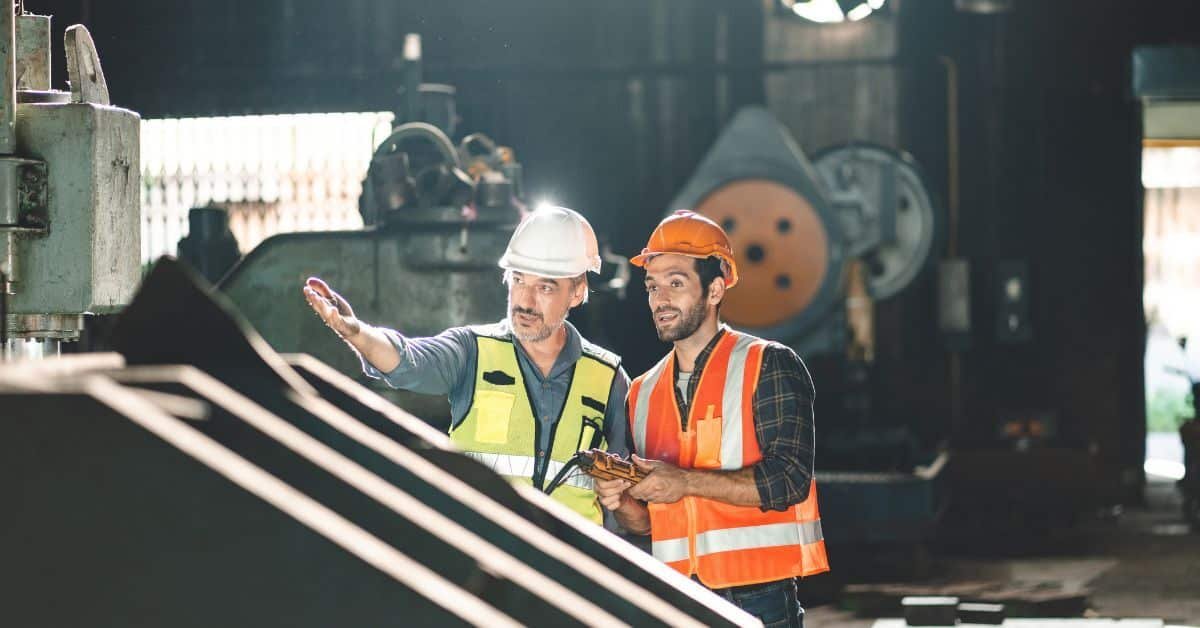
A modern plant doesn’t need to look like a science-fiction set. In many cases, modernization starts with practical changes that remove friction from daily work, give teams better access to information, and help a facility use its space more effectively. The best upgrades also fit the operation instead of forcing the operation to adapt around new technology. Browse these many ways to modernize your manufacturing facility to find a practical place to start.
Conduct a Facility-Wide Assessment
Modernization works best when it addresses actual constraints rather than assumptions. Before new equipment arrives, examine how materials, employees, tools, data, and work orders move through the facility. A process that looks fine on paper may contain extra travel or delays between departments.
An assessment can also reveal where older processes still serve the plant well. Not every manual task deserves automation, and not every piece of equipment needs replacement just because a newer model exists. A targeted approach can direct capital toward areas with a clearer operational benefit.
Give Employees Better Access to Data
Paper records and disconnected spreadsheets can slow decisions when employees need current information. Modern systems can place inventory records, work orders, maintenance history, and production data within reach of the people who rely on them. That access matters beyond the front office. Maintenance technicians can benefit from accurate equipment records at the point of use, and supervisors can see current production conditions without a long chain of manual updates. Better visibility also gives management a clearer view of patterns across the facility.
Automate Tasks With a Clear Purpose
Automation can transform a plant, but automation for its own sake can add cost and complexity. Start with repetitive tasks that consume employee time or create predictable bottlenecks. Material retrieval, inventory transactions, routine inspections, and certain production steps may offer useful opportunities.
The goal isn’t to remove people from every process. Instead, automation can shift employee attention toward work that benefits from technical knowledge or direct oversight. That balance can help a facility gain more value from both its workforce and its equipment. A gradual approach also gives teams time to evaluate results before a broader rollout. One successful project can provide a useful model for the next phase.
Strengthen Inventory Control
Inventory can become a surprisingly large obstacle to modernization. Excess stock occupies space and ties up capital, but poor visibility can still leave employees without the supplies they need. Manual counts and loosely controlled storerooms can add another layer of uncertainty.
Modern inventory practices rely on accurate transaction records and defined storage locations. Technologies such as RFID, barcodes, and automated inventory systems can support that structure. RFID, for example, uses radio waves to identify tagged objects without physical contact or direct line of sight.
Better control also gives teams stronger data for future purchasing decisions. Instead of relying heavily on estimates or habits, procurement staff can use actual consumption records as a reference. Don’t overlook the ROI of installing a vertical lift module either because it always helps to have a clear path to a profit before being equipment.
Connect Maintenance With Modernization Plans
New production technology receives plenty of attention, but maintenance deserves a place in the same conversation. Advanced equipment can’t deliver much value if maintenance teams lack parts, records, or clear service procedures. Review preventive maintenance schedules as part of any modernization project. Equipment history can help teams spot recurring faults and determine where an older asset creates excessive service demands.
Digital maintenance records can also provide a more consistent history than notes scattered across binders or separate files. Modernization should support reliability rather than add another layer of complexity. Maintenance staff should have enough time to learn new equipment before it becomes a central part of production.
Build Cybersecurity Into Connected Operations
More connected equipment creates new opportunities for data collection and control, but it also expands the facility’s digital footprint. Cybersecurity therefore deserves attention alongside automation, sensors, and network-connected machines. Access controls, software updates, network segmentation, and employee policies can form part of a broader security plan.
Facilities should also know who has access to operational systems and how that access changes when employees or outside vendors leave a project. A modernization plan that ignores cybersecurity can introduce avoidable exposure. Digital upgrades should come with appropriate safeguards from the start rather than as an afterthought.
Prepare Employees for New Technology
A modern facility still depends on people who understand its systems. Employees need practical instruction before new software or equipment becomes part of normal operations. Training should connect the technology to the employee’s actual role. A technician may need detailed service knowledge, whereas an operator may need a focused set of controls and procedures.
Clear expectations can reduce confusion and help employees become comfortable with new processes faster. Employee feedback can also reveal issues that managers or vendors may not see during initial setup. The people closest to a process tend to notice small obstacles early.
Measure Results After Each Upgrade
Modernization should produce results that the facility can track. Establish a baseline before an upgrade so the team has a fair comparison after implementation. Useful measures may include inventory accuracy, equipment downtime, order cycle time, space utilization, labor hours, or production output.
The exact measures should match the original purpose of the project. An inventory initiative deserves inventory-focused metrics, whereas a layout project may focus more on travel distance or space use. Clear measurements can also expose areas that need adjustment after launch. This approach turns modernization into a continuous process rather than a one-time capital project. Each result can inform the next investment.
Choose Technology That Can Grow With the Facility
A modernization project should account for future needs without trying to predict every detail of the next decade. Systems that can expand, integrate with other platforms, or adapt to new workflows can give a facility more flexibility. Compatibility deserves close attention during technology selection. A new platform that creates another isolated pool of information may replace one problem with another.
Consider how new equipment and software will exchange data with existing operational systems before the purchase moves forward. Scalability matters as well. A solution that fits one department today may eventually need to support additional users, inventory, equipment, or locations.
The strongest modernization plans combine technology with thoughtful process changes. The ways you modernize your manufacturing facility should reflect the operation’s real constraints and long-term plans rather than the latest technology trend. Start with a clear assessment and use each project to guide the next one.
Explore similar articles:
What to Do When You Need to Transfer Data Externally
The Materials Behind Next-Generation Aircraft Systems
Why AI Growth Makes Server Rooms Riskier

At CIO TechWorld, I architect global revenue strategy, cultivate enterprise alliances, and engage directly with CXO leaders shaping the future of technology.
Operating at the convergence of editorial intelligence, commercial strategy, and executive influence, I specialize in transforming complex business objectives into authoritative market presence.